PHILIP MALTMAN
I was born and raised on the west coast of Scotland. My Art teacher at Carrick Academy in Maybole was Bill Lockhart and he brought modernism and Jazz and shoreline energy from his house on the coast to culturally starving students in a grey early sixties Maybole. We blossomed and it was recognised as one of the best Art Departments in Scotland with its award winning School Magazine which contained much art work.
In 1966 my parents had to move to London which was fast becoming Swinging London and I relished following and going to Hornsey College of Art in 1968 where I spent time in the Hornsey Commune but finished up at Ravensbourne College of Art as Hornsey’s future became more uncertain. At Ravensbourne Great painters, philosophers and drinkers abounded and the days were a bit halcyon. I ended up rebelling against painting and the Art World, refusing to be exhibited at degree show time, in the cleaned up white painted studio.I cordoned off an area of original messy studio to show cut up paintings and a gory environment with spattered red paint, dull lighting and lots of words. Ironically I am one of the only ones of my close contemporaries still painting.
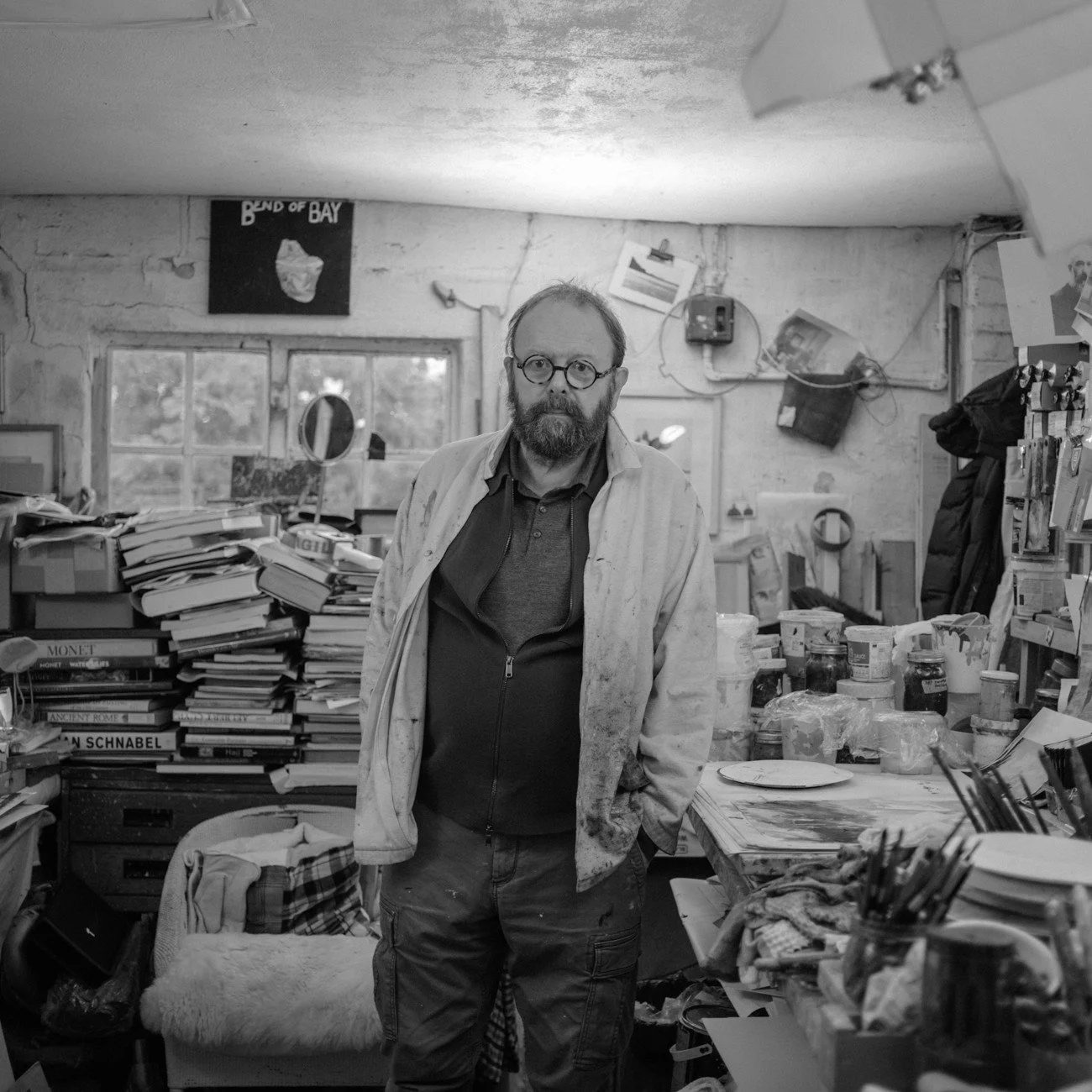
I live in London and have been married to Stephanie since 1974. We have two sons and four grandchildren. My studio for the last 30 years has been in a rented building in the property over the fence at the end of my garden, the rest of which is owned and inhabited by another artist. I am very fortunate in being able to paint at any time.
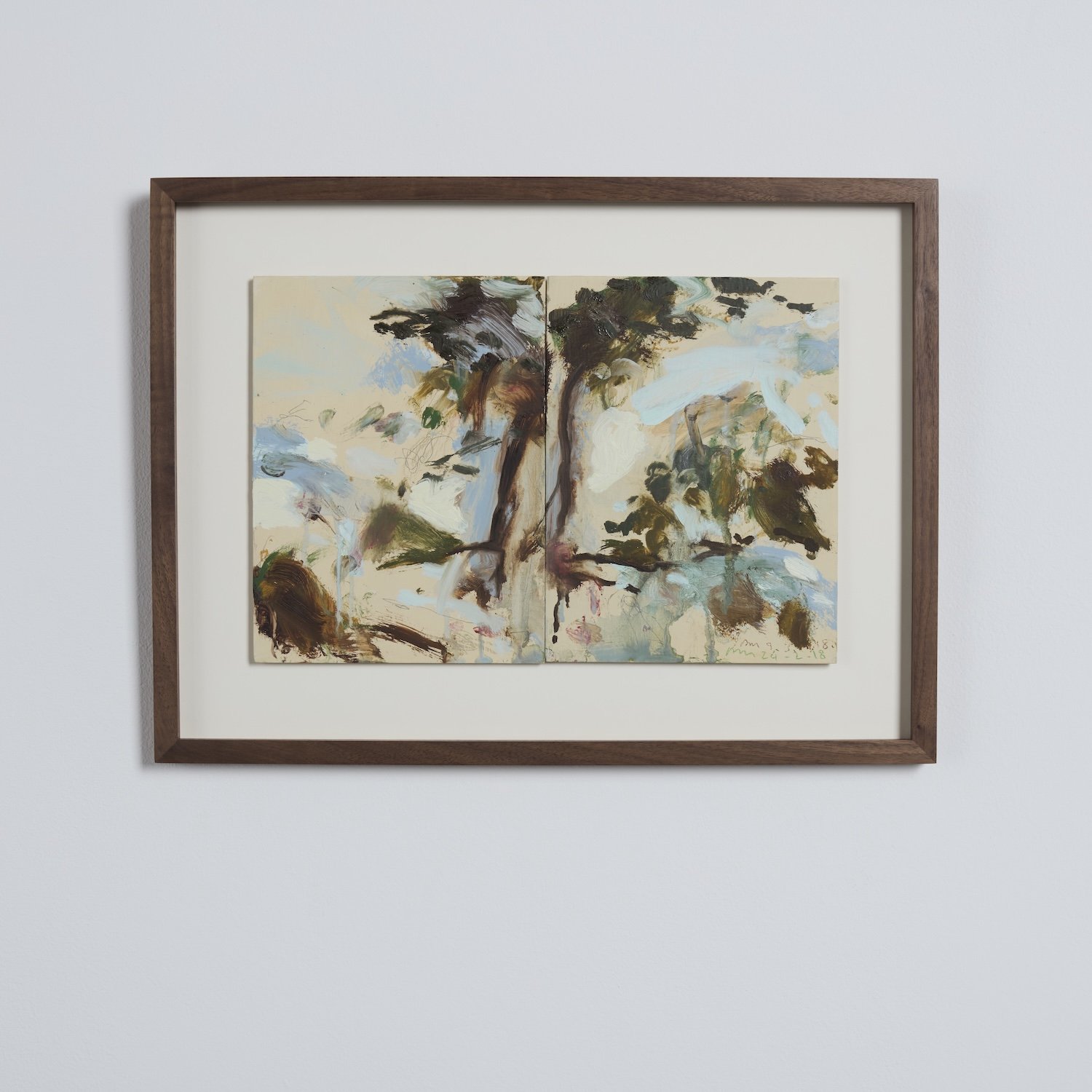
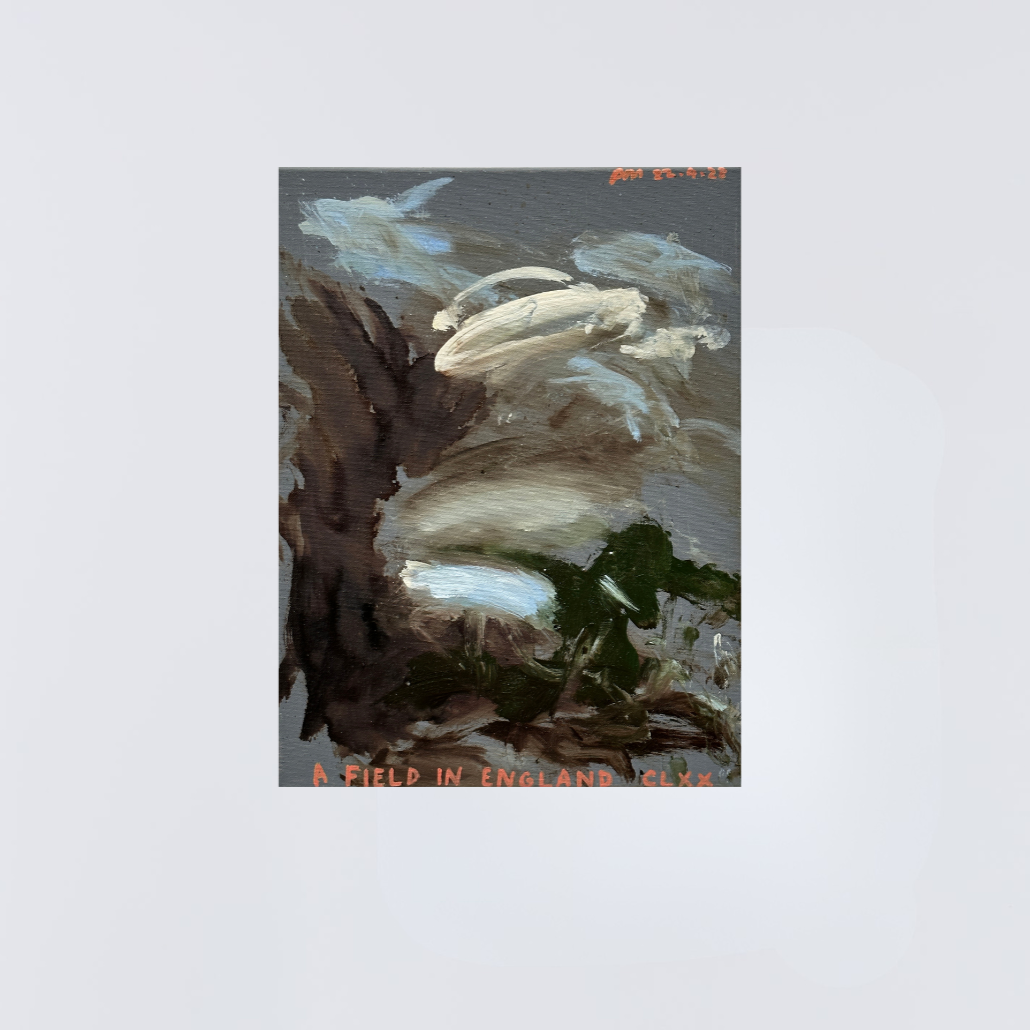
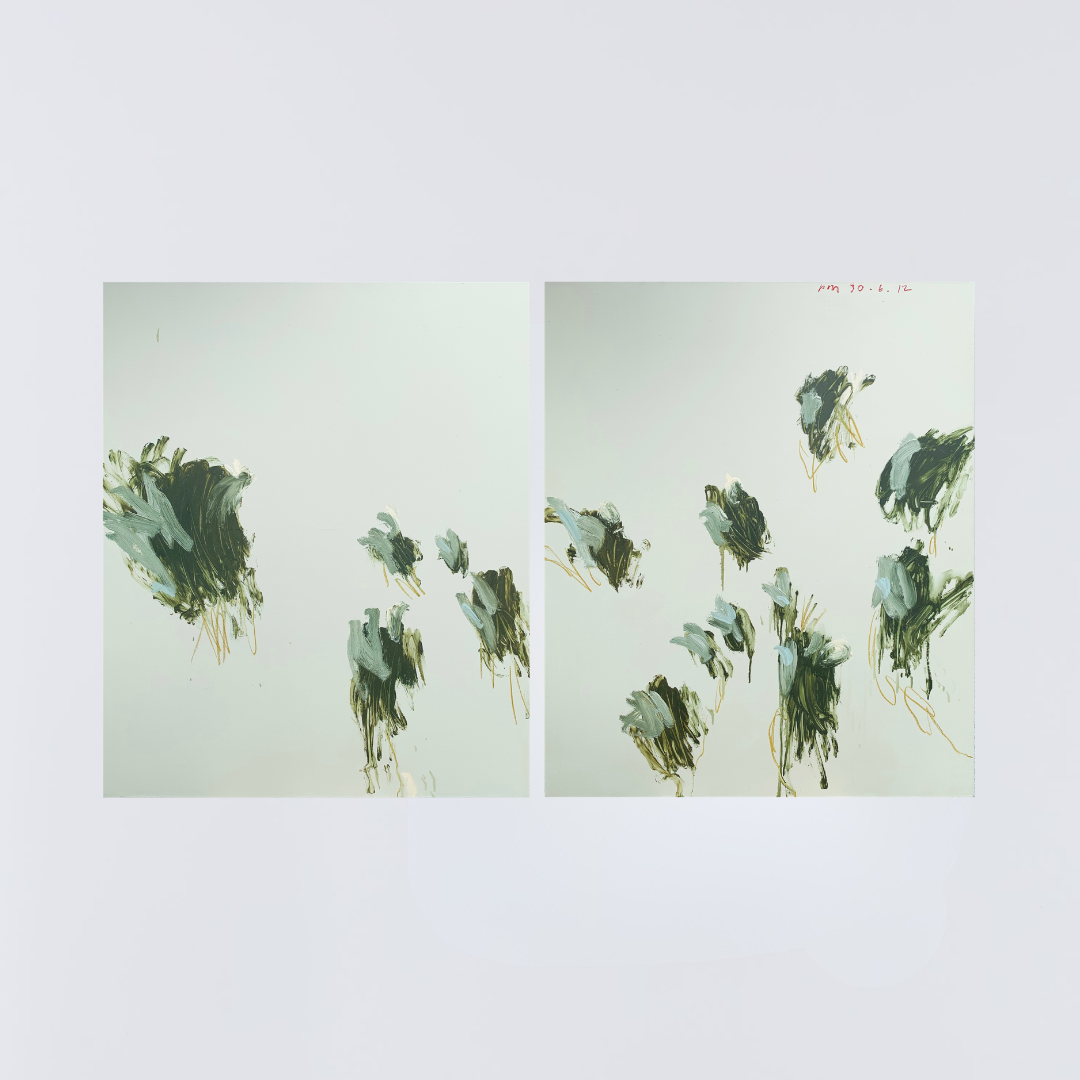
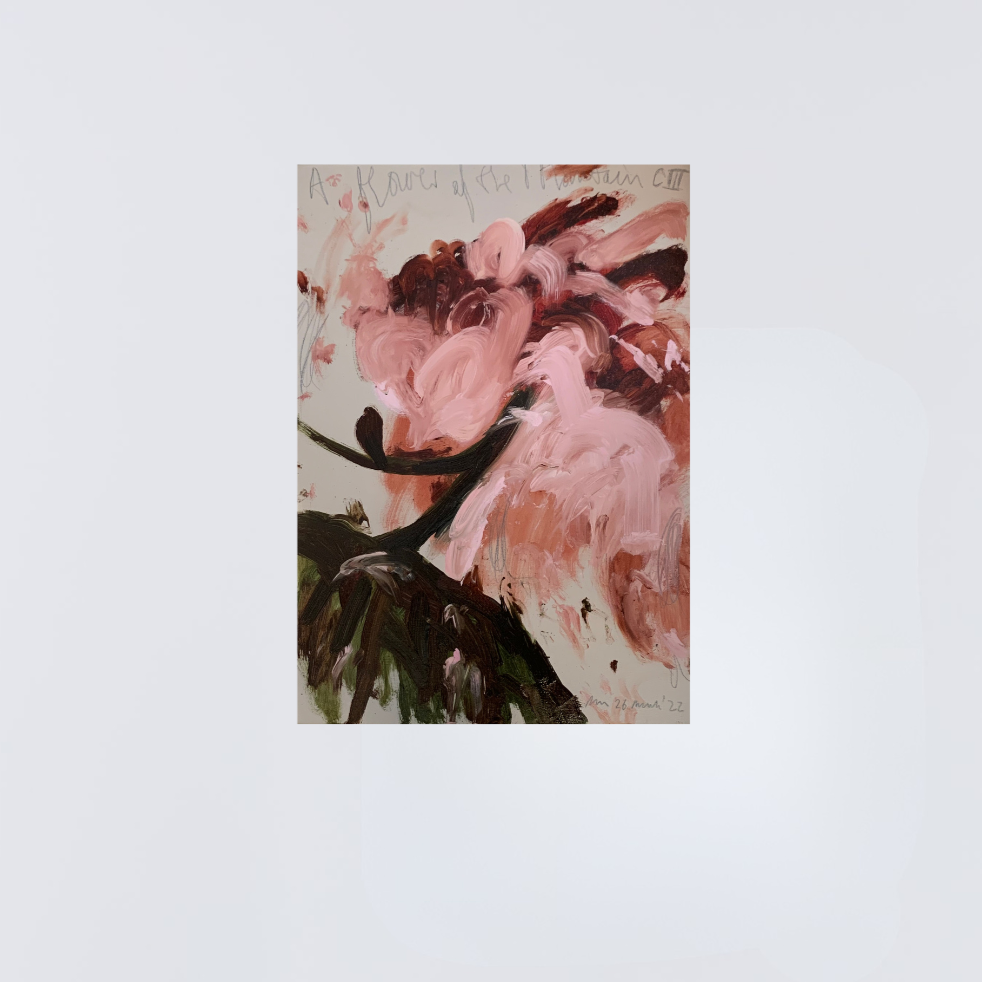
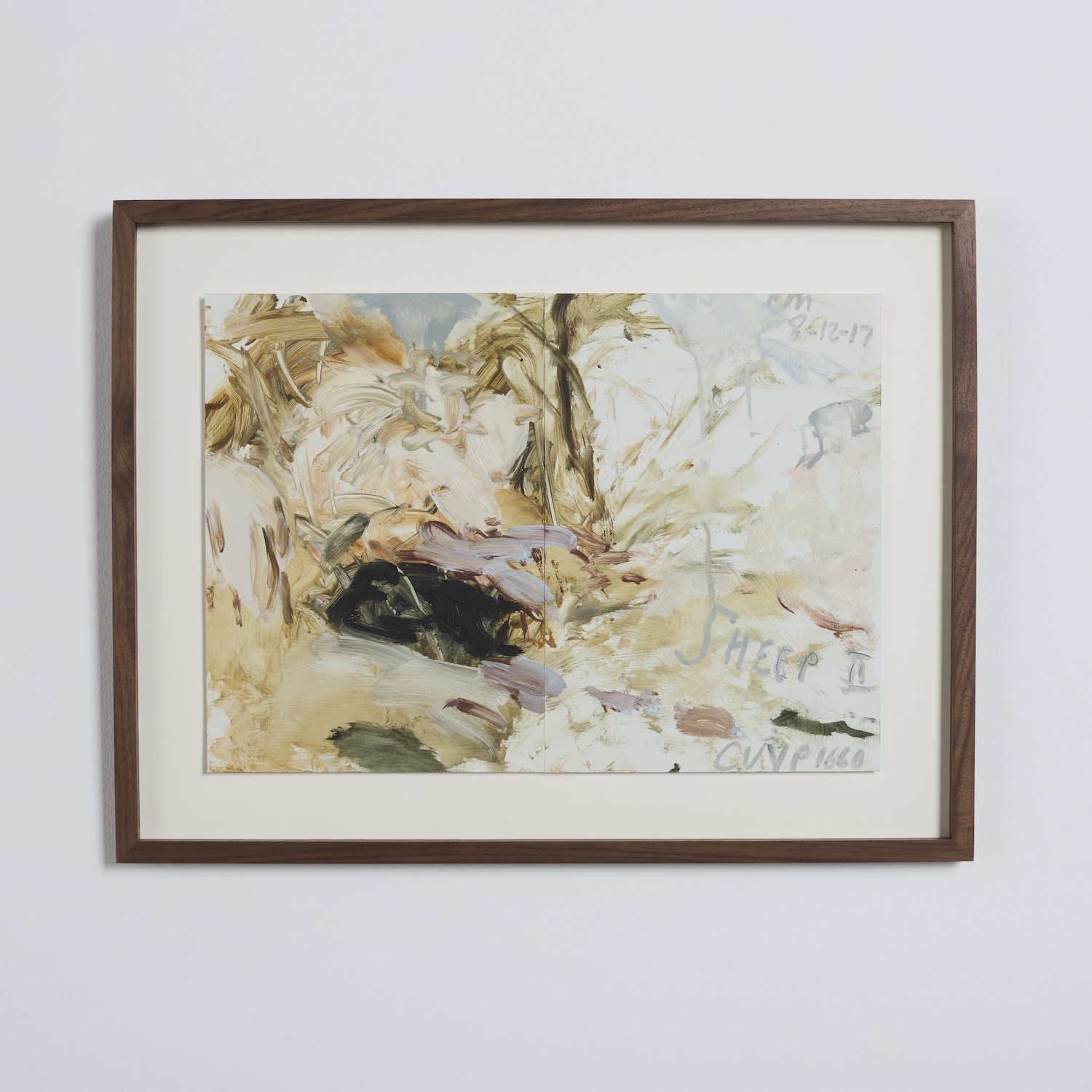
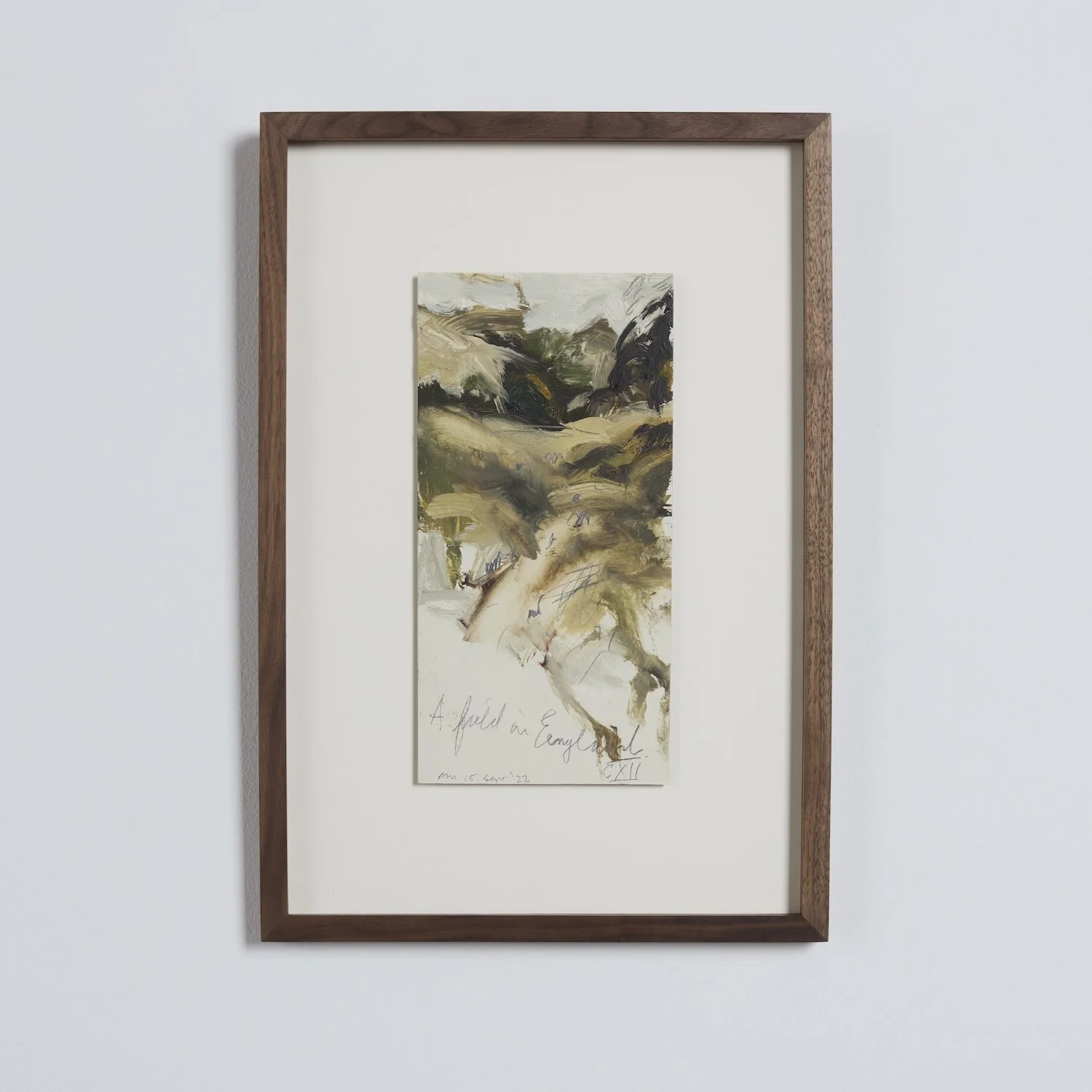
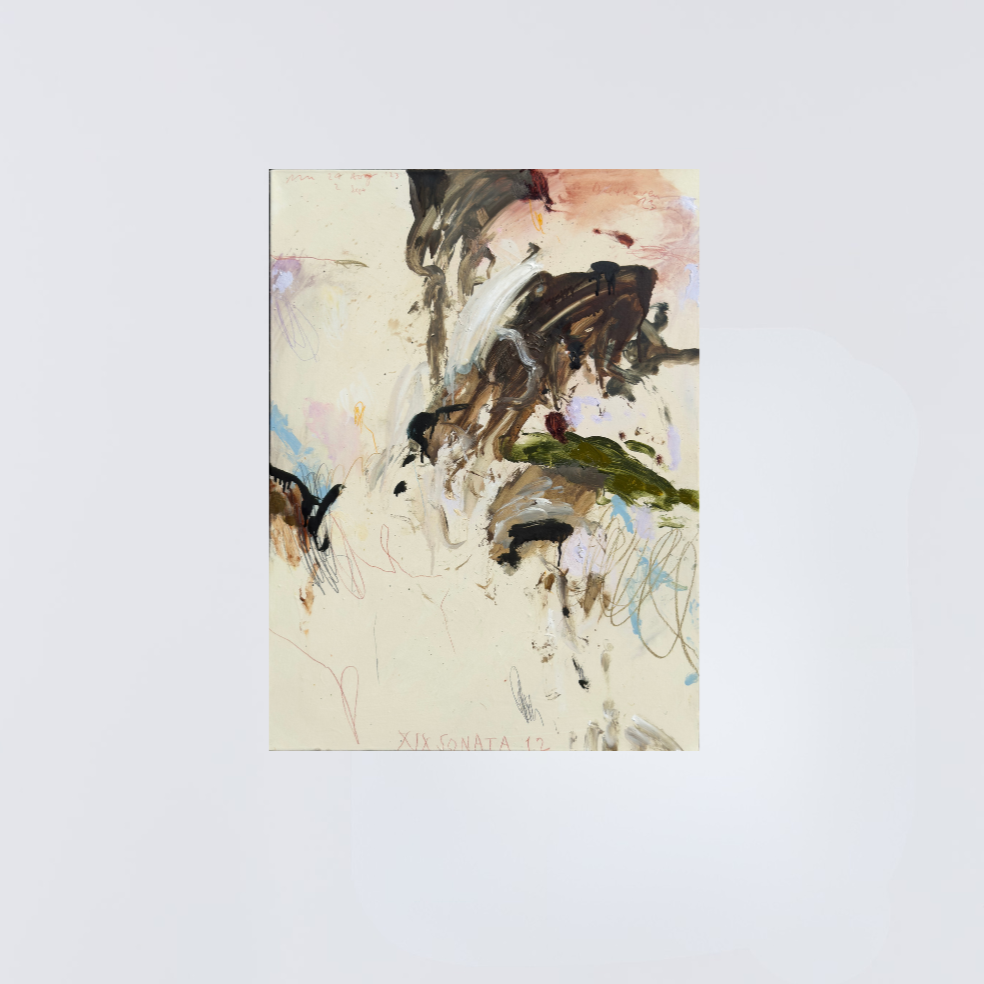
I think that painting is a struggle with the self and if the self is prone to rebel or argue then the results can be disturbingly interesting and never concluded in conventional acceptance. This of course leads to what might be termed a prolific practice, although it is also a need to see something new every day. My work deals with nature in an atomic sense in that everything is related and subjects, whether abstract or representational can co-exist with references to literature or music often being included in the work. I like to use texts, both meaningful and random. To paraphrase Robert Motherwell “I deal with what is scanned externally and internally in which the object is not the world but the painting itself”.